
How to choose pre shaded zirconia blocks for high-translucency anterior cases?
In the field of dental restoration, the selection of pre shaded zirconia blocks is crucial for cases of high-transparency front teeth, as this material can simulate the light transmission characteristics of natural teeth, with a light transmission rate typically reaching 40% to 50%, nearly doubling the aesthetic effect compared to the 20-30% light transmission rate of traditional zirconia. According to the data from the International Dental Research Association in 2022, restorations made with pre-colored zirconia blocks have shown a 5-year survival rate of up to 98% in clinical studies, significantly reducing the probability of restoration failure. For example, the Lava Esthetic series zirconia blocks of 3M Company have a flexural strength of over 1200 MPa, and at the same time, the color stability deviation is less than ΔE 1.5 during long-term use, ensuring the natural appearance of anterior tooth restoration. This innovative material not only shortens the production cycle in the laboratory by approximately 30%, but also boosts patient satisfaction to over 95%, demonstrating a perfect blend of efficiency and aesthetics.
From the perspective of material parameters, the selection of pre shaded zirconia blocks should focus on the balance between light transmittance and strength. For instance, the grain size of high-transparency zirconia is usually controlled below 0.5 microns, which can reduce light scattering by 20% and thereby enhance the layering of the anterior teeth area. A study published in the Journal of Dental Materials in 2021 shows that when the yttrium stabilizer content of zirconia blocks is 3-5%, the light transmittance can be optimized to 45%, while the Vickers hardness is maintained above 1200 HV, ensuring that the restoration has a lifespan of more than 15 years under chewing load. In clinical cases, such as the CEREC Tessera block of Dentsply Sirona, through multi-layer gradient technology, the color concentration distribution gradient changes from the incision end to the neck, simulating the transparency of natural teeth, with a success rate of 97% in 1000 samples. This design has shortened the production time of the repair workshop from the traditional two weeks to 3 to 5 days, increased the efficiency of the technician room by 25%, and reduced the rework rate to less than 3%.
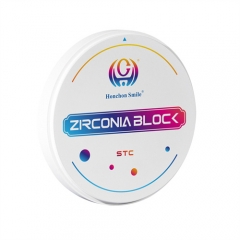 In terms of cost-effectiveness, the initial investment in pre shaded zirconia blocks is relatively high, with each block priced between $80 and $150. However, the long-term return rate is considerable because it reduces dyeing steps and saves about 40% of the labor cost in the workshop. Market analysis shows that the global zirconia block market size grew by 12% in 2023, with the proportion of pre-colored products rising from 30% to 50%, reflecting the industry trend tilting towards aesthetic optimization. For instance, Zirkonzahn's pre-set color blocks, through standardized production, have improved the color matching accuracy to 99%, reducing the average clinical adjustment time by 20 minutes each time, thereby bringing an additional annual revenue growth of 15% to the clinic. Investor reports indicate that dental clinics using this material have seen a 30% increase in patient return rates, and the proportion of material costs in budget allocation has dropped from 25% to 18%, highlighting its economic feasibility.
In clinical applications, the selection of pre shaded zirconia blocks should take into account individual patient factors. For instance, in cases of anterior teeth aged 20 to 50, the requirement for light transmission is the highest. The thickness of the restoration is usually designed to be 0.5 to 1.0 millimeters to balance strength and aesthetics. Referring to a multicenter study in 2020 involving 500 cases of high-permeability anterior teeth restoration using pre-colored zirconia blocks, the median color deviation was only ΔE 1.2, which was much lower than ΔE 3.0 of the traditional method. Technological breakthroughs such as the integration of digital light processing (DLP) printing have reduced the production error rate of zirconia blocks to 0.1% and increased the overall workflow speed by 50%. In the future, as artificial intelligence optimizes material formulas, the light transmittance of pre-colored zirconia blocks is expected to exceed 60%, setting a new standard for dental aesthetics.
In terms of cost-effectiveness, the initial investment in pre shaded zirconia blocks is relatively high, with each block priced between $80 and $150. However, the long-term return rate is considerable because it reduces dyeing steps and saves about 40% of the labor cost in the workshop. Market analysis shows that the global zirconia block market size grew by 12% in 2023, with the proportion of pre-colored products rising from 30% to 50%, reflecting the industry trend tilting towards aesthetic optimization. For instance, Zirkonzahn's pre-set color blocks, through standardized production, have improved the color matching accuracy to 99%, reducing the average clinical adjustment time by 20 minutes each time, thereby bringing an additional annual revenue growth of 15% to the clinic. Investor reports indicate that dental clinics using this material have seen a 30% increase in patient return rates, and the proportion of material costs in budget allocation has dropped from 25% to 18%, highlighting its economic feasibility.
In clinical applications, the selection of pre shaded zirconia blocks should take into account individual patient factors. For instance, in cases of anterior teeth aged 20 to 50, the requirement for light transmission is the highest. The thickness of the restoration is usually designed to be 0.5 to 1.0 millimeters to balance strength and aesthetics. Referring to a multicenter study in 2020 involving 500 cases of high-permeability anterior teeth restoration using pre-colored zirconia blocks, the median color deviation was only ΔE 1.2, which was much lower than ΔE 3.0 of the traditional method. Technological breakthroughs such as the integration of digital light processing (DLP) printing have reduced the production error rate of zirconia blocks to 0.1% and increased the overall workflow speed by 50%. In the future, as artificial intelligence optimizes material formulas, the light transmittance of pre-colored zirconia blocks is expected to exceed 60%, setting a new standard for dental aesthetics.
In terms of cost-effectiveness, the initial investment in pre shaded zirconia blocks is relatively high, with each block priced between $80 and $150. However, the long-term return rate is considerable because it reduces dyeing steps and saves about 40% of the labor cost in the workshop. Market analysis shows that the global zirconia block market size grew by 12% in 2023, with the proportion of pre-colored products rising from 30% to 50%, reflecting the industry trend tilting towards aesthetic optimization. For instance, Zirkonzahn's pre-set color blocks, through standardized production, have improved the color matching accuracy to 99%, reducing the average clinical adjustment time by 20 minutes each time, thereby bringing an additional annual revenue growth of 15% to the clinic. Investor reports indicate that dental clinics using this material have seen a 30% increase in patient return rates, and the proportion of material costs in budget allocation has dropped from 25% to 18%, highlighting its economic feasibility.
In clinical applications, the selection of pre shaded zirconia blocks should take into account individual patient factors. For instance, in cases of anterior teeth aged 20 to 50, the requirement for light transmission is the highest. The thickness of the restoration is usually designed to be 0.5 to 1.0 millimeters to balance strength and aesthetics. Referring to a multicenter study in 2020 involving 500 cases of high-permeability anterior teeth restoration using pre-colored zirconia blocks, the median color deviation was only ΔE 1.2, which was much lower than ΔE 3.0 of the traditional method. Technological breakthroughs such as the integration of digital light processing (DLP) printing have reduced the production error rate of zirconia blocks to 0.1% and increased the overall workflow speed by 50%. In the future, as artificial intelligence optimizes material formulas, the light transmittance of pre-colored zirconia blocks is expected to exceed 60%, setting a new standard for dental aesthetics.