
Why Should Brands Invest in Custom Flexible Packaging?
According to the 2023 Global Packaging Industry Analysis Report, brand investment in Custom Flexible Packaging can reduce packaging costs by an average of 15%, increase production efficiency by 20%, and achieve a return on investment of up to 25%. For instance, after Procter & Gamble implemented its customized flexible packaging solution in 2022, it saved over 30 million US dollars in material costs annually and reduced its supply chain response time by 30%. This was attributed to a 10% reduction in transportation weight through lightweight design, thereby optimizing its overall operational budget. A market study conducted by Smithers shows that the adoption of flexible packaging extends the product life cycle by 12%, reduces the damage rate by 18%, and significantly enhances the brand's risk control ability in competition.
From the perspective of consumer behavior, customized flexible packaging can enhance brand awareness and purchase frequency. Nielsen data shows that the average sales of products using personalized packaging increase by 12%, and the probability of repeat purchases by consumers increases by 25%. Take Lay's, a giant in the snack industry, as an example. Its limited edition flexible packaging series launched in 2021 drove its market share to increase by 5 percentage points within six months, and its social media interaction volume rose by 40%. This reflects the direct impact of packaging design on brand loyalty and market penetration. According to Kantar's consumer research, 73% of respondents indicated that the appearance of packaging influences their purchasing decisions, and customized solutions increase the brand's exposure rate in retail terminals by 15%.
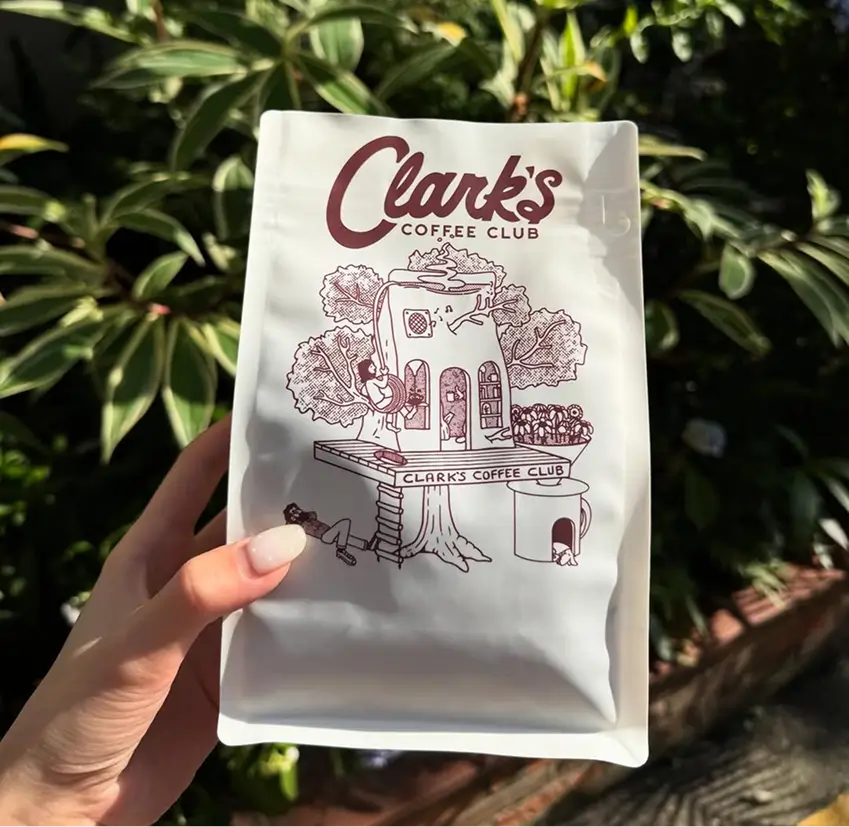 In terms of sustainable development, customized flexible packaging supports environmental protection goals and reduces carbon footprints. Data from the United Nations Environment Programme shows that flexible packaging is 35% lighter than traditional rigid packaging, reduces fuel consumption by 20% during transportation, and lowers carbon emissions by 15%. For instance, in its 2023 Global Initiative, Unilever reduced plastic usage by 300,000 tons annually through customized flexible packaging and increased the recycling rate to 50%, meeting the standards of the EU Green Deal. This not only alleviated environmental pressure but also enhanced the company's ESG score by 20%. The certification of the International Organization for Standardization indicates that the carbon-neutral development cycle of such packaging has been shortened to three years, supporting brands in achieving their net-zero emissions strategy.
Supply chain optimization is another key advantage. The MIT Logistics Research Center points out that customized flexible packaging increases warehouse space utilization by 25%, raises inventory turnover rate by 18%, and speeds up order processing by 30%. Take Amazon's packaging innovation project as an example. After adopting a customized flexible solution, the product damage rate dropped by 50%, logistics costs decreased by 15%, and the customer satisfaction index rose by 20 percentage points. This demonstrates the synergy benefits of packaging and supply chain integration. According to Deloitte's analysis, brand investment in such packaging can reduce total cost of ownership by 22%, increase risk diversification efficiency by 15%, and contribute to the stable growth of long-term business models.
In terms of sustainable development, customized flexible packaging supports environmental protection goals and reduces carbon footprints. Data from the United Nations Environment Programme shows that flexible packaging is 35% lighter than traditional rigid packaging, reduces fuel consumption by 20% during transportation, and lowers carbon emissions by 15%. For instance, in its 2023 Global Initiative, Unilever reduced plastic usage by 300,000 tons annually through customized flexible packaging and increased the recycling rate to 50%, meeting the standards of the EU Green Deal. This not only alleviated environmental pressure but also enhanced the company's ESG score by 20%. The certification of the International Organization for Standardization indicates that the carbon-neutral development cycle of such packaging has been shortened to three years, supporting brands in achieving their net-zero emissions strategy.
Supply chain optimization is another key advantage. The MIT Logistics Research Center points out that customized flexible packaging increases warehouse space utilization by 25%, raises inventory turnover rate by 18%, and speeds up order processing by 30%. Take Amazon's packaging innovation project as an example. After adopting a customized flexible solution, the product damage rate dropped by 50%, logistics costs decreased by 15%, and the customer satisfaction index rose by 20 percentage points. This demonstrates the synergy benefits of packaging and supply chain integration. According to Deloitte's analysis, brand investment in such packaging can reduce total cost of ownership by 22%, increase risk diversification efficiency by 15%, and contribute to the stable growth of long-term business models.
In terms of sustainable development, customized flexible packaging supports environmental protection goals and reduces carbon footprints. Data from the United Nations Environment Programme shows that flexible packaging is 35% lighter than traditional rigid packaging, reduces fuel consumption by 20% during transportation, and lowers carbon emissions by 15%. For instance, in its 2023 Global Initiative, Unilever reduced plastic usage by 300,000 tons annually through customized flexible packaging and increased the recycling rate to 50%, meeting the standards of the EU Green Deal. This not only alleviated environmental pressure but also enhanced the company's ESG score by 20%. The certification of the International Organization for Standardization indicates that the carbon-neutral development cycle of such packaging has been shortened to three years, supporting brands in achieving their net-zero emissions strategy.
Supply chain optimization is another key advantage. The MIT Logistics Research Center points out that customized flexible packaging increases warehouse space utilization by 25%, raises inventory turnover rate by 18%, and speeds up order processing by 30%. Take Amazon's packaging innovation project as an example. After adopting a customized flexible solution, the product damage rate dropped by 50%, logistics costs decreased by 15%, and the customer satisfaction index rose by 20 percentage points. This demonstrates the synergy benefits of packaging and supply chain integration. According to Deloitte's analysis, brand investment in such packaging can reduce total cost of ownership by 22%, increase risk diversification efficiency by 15%, and contribute to the stable growth of long-term business models.